





Most companies start thinking about Christmas gifts in the third week of November. By then the stock that sells out has sold out, print slots are full, and you are choosing from what is left rather than what you wanted.
Branded merchandise runs on a supply chain that peaks well before the festive season does. If you want corporate Christmas gifts that turn up in good time, land properly with clients and staff, and stay inside the budget you set, the sensible time to start is late summer. This guide covers the timeline, the budgets, and the gifts that survive past Boxing Day.
Why branded Christmas gifts run out before December
Three things create the bottleneck, and none of them are obvious until you are stuck in it.
The first is stock. A large share of promotional product is imported and ordered against a forecast made months earlier. When a line sells through in October, it usually does not come back until spring. Popular festive items such as hampers, blankets and drinkware go out of stock rather than onto back order.
The second is decoration capacity. Screen printing, embroidery, engraving and pad printing all happen in the same UK workshops that handle every other order in the country during the fourth quarter. A supplier quoting five working days in June is often quoting fifteen by early November.
The third, and the one worth fixing first, is artwork. Most delayed orders are not held up by the printer. They sit waiting for a logo file, a Pantone reference or a signature on a proof. Sorting your artwork before you choose a product removes the single most common cause of a late delivery.
A realistic ordering timeline for UK businesses
Work backwards from the date you want the gifts in hand, not the date you want them opened. These are sensible windows rather than hard deadlines, and they assume a straightforward one colour or full colour print.
- August and September. Set the budget, confirm your numbers for clients and staff, and request samples. This is the only point in the year where you can genuinely compare options without a deadline pushing the decision.
- Late September to mid October. Approve artwork and place orders for anything bespoke, imported, gift boxed or individually named. Bespoke packaging and made to order items need this window.
- Late October. The last comfortable point for volume orders on standard printed lines. Expect fewer choices from here.
- November. Stock held in the UK with express decoration only. Prices firm up, express charges appear, and colour and size options narrow.
- Early December. UK stock with a quick turnaround, or unbranded items with a printed card. Courier networks are at their busiest and next day services slip.
Add a fortnight to all of the above if your gift needs individual personalisation, gift wrapping, or splitting across multiple delivery addresses.
Client gifts and staff gifts are two different jobs
They are usually bought at the same time and budgeted together, which is why so many companies end up with one compromise item that suits neither group.
Client gifts go to a smaller list, so the unit budget stretches further. The aim is to be remembered in January, when contracts and budgets are reviewed. That points towards something that stays on a desk, or something consumed and enjoyed with your name attached. Presentation carries real weight here, so gift boxing and a handwritten card are worth more than an extra pound on the item itself.
Staff gifts have a known headcount, but they carry practical complications: clothing sizes, dietary requirements, and people who work remotely. The test is simple. Would they have chosen it for themselves? Research published by the British Promotional Merchandise Association found that around two thirds of people could recall the brand on a promotional item they had received in the previous year, and usefulness is consistently what decides whether an item is kept at all.
Branded Christmas gift ideas that get used
Food, drink and hampers
Consumable gifts have the highest acceptance rate of anything you can send, because nobody has to find space for them. Christmas hampers work well for client lists where you want one gift per company rather than per person, and branded chocolate, biscuits and sweets cover larger, lower value lists. Check dietary requirements and alcohol preferences before you commit, particularly for staff gifts.
Drinkware that travels to work
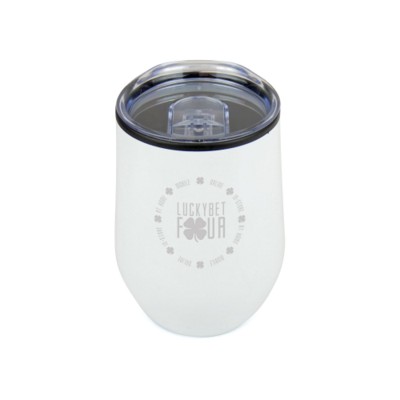
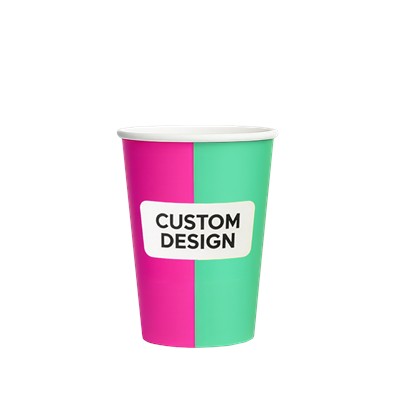
Mugs and reusable cups are among the longest kept promotional items in UK research, largely because they earn a place in a daily routine. Insulated travel mugs and tumblers suit commuters, while ceramic mugs give you a large print area for a full colour design at a modest cost per unit.
Winter clothing and warm accessories
Blankets, snoods, beanies and personalised socks all sit naturally at Christmas and get worn well into February. If you are ordering branded clothing for a team, collect sizes early. Guessing a size spread is one of the few merchandise mistakes you cannot fix after delivery.
Desk items with a twelve month life
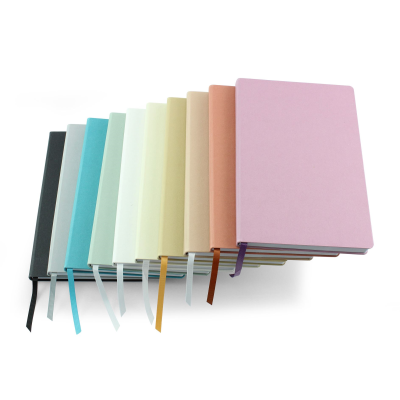
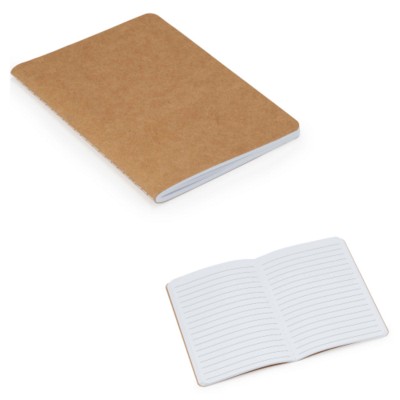
Desk calendars, wall calendars, diaries and notebooks are the quiet performers of Christmas gifting. A calendar delivered in December is still carrying your name in October. They are also the one category where being early genuinely matters, because a dated product loses its value the moment the year turns.
Items for the office Christmas party
If you host an event or run a hospitality venue, Christmas crackers and Christmas decorations can be branded and filled to your own specification. Pubs, restaurants and hotels tend to order these in late summer, so treat September as the practical cut off for bespoke fills.
Practical winter items on a smaller budget
When the list is long and the budget per head is low, choose something the weather makes useful. Ice scrapers, reusable heat packs, lip balm and torches all cost little and get picked up rather than binned.
What your budget buys per head
Costs move with quantity, print method and material, so treat these as a planning guide rather than a price list. Minimum order quantities matter as much as unit price: cheaper items usually carry higher minimums.
- Under £1. Pens, pencils, fridge magnets, wrapped sweets, badges. Minimums often start at 250 or more.
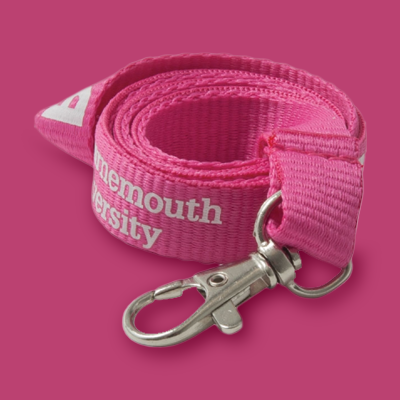
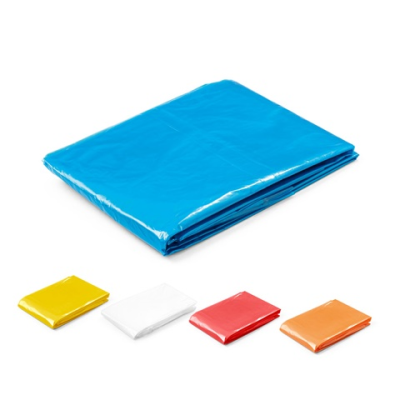
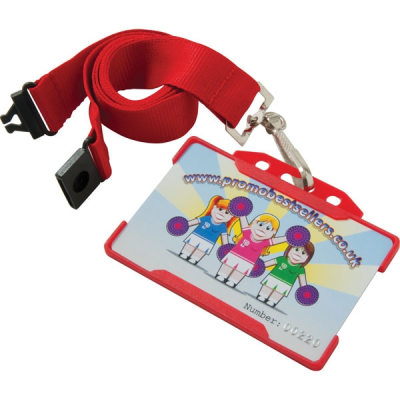
- £1 to £3. Keyrings, coasters, luggage tags, ponchos, chocolate bars, lanyards. Typical minimums of 100 to 250.
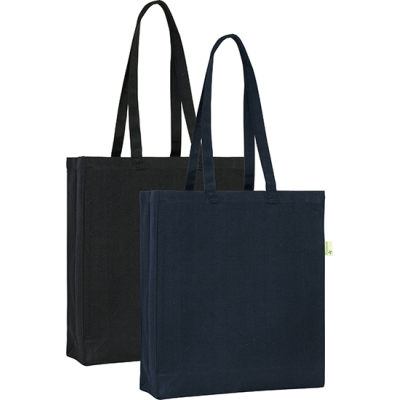
- £3 to £8. Ceramic mugs, tumblers, notebooks, socks, playing cards, tote bags. Minimums commonly fall to 25 or 50.
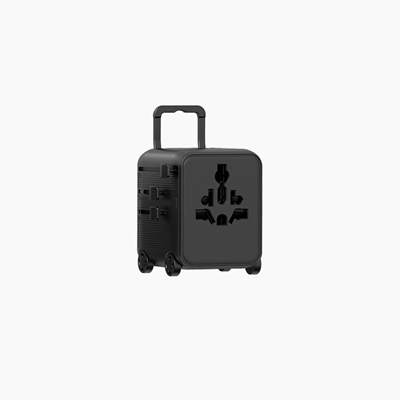
- £8 to £20. Insulated travel mugs, blankets, small hampers, tech accessories, gift sets.
- £20 and above. Premium hampers, branded apparel, boxed gift collections for key accounts.
Two things routinely catch people out. Quoted prices exclude VAT, and delivery is charged separately, so ask for a delivered cost before you compare suppliers. First orders also carry an artwork origination charge, which covers setting up your logo for print. It is a one off on repeat orders of the same item, which is a good reason to consolidate rather than split a Christmas order across several suppliers.
Getting the artwork right first time
Send vector artwork wherever possible, as an EPS, AI or vector PDF file. A logo lifted from a website is rarely usable at print size, and rebuilding it costs time you will not have in November. Include your Pantone references if your brand uses them, because screen and digital colours do not translate reliably to print, particularly on coloured garments and coated metal.
Check the print area rather than assuming the logo will fit. A wide horizontal logo on a narrow pen barrel or a curved bottle usually needs a stacked version, and that decision is better made now than during a proof approval. When the digital proof arrives, read it properly. It is what gets printed, and once it is signed off the responsibility for errors passes to you.
One point on restraint. On items people wear or carry, a smaller, cleaner mark is worn more often than a large one. You are aiming for something that gets used in public, not something that only gets used at work.
Sustainable Christmas merchandise
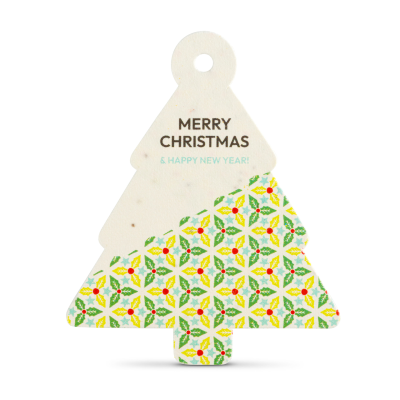
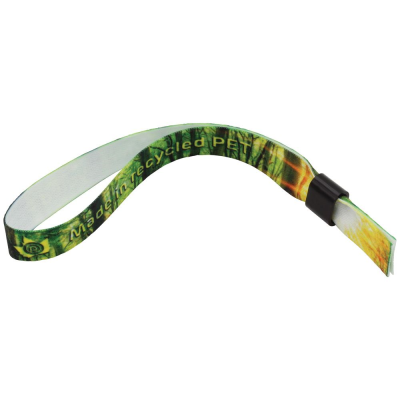
Sustainability has moved from a differentiator to an expectation, particularly for anything sent to public sector or larger corporate clients. Recycled cotton, RPET made from reclaimed plastic bottles, FSC certified card and plantable seed paper all now sit at prices close to their conventional equivalents, and our eco friendly range covers most Christmas categories.
Two practical steps make more difference than the material label. Cut the outer packaging where you can, and choose a longer lasting item in a smaller quantity rather than a disposable one in bulk. If provenance matters to your clients, our UK manufactured products shorten the supply chain and tend to have shorter lead times in December.
Five mistakes worth avoiding
- Placing the order before the artwork is ready. The clock starts at proof approval, not order confirmation.
- Printing the year on something people keep. A dated mug is in the cupboard by February. Leave the year off anything that is not a calendar or diary.
- Ordering to an exact headcount. Add a small buffer for new starters, damages and the client who asks where theirs is.
- Sending food without asking. Allergens, alcohol and dietary requirements need checking before you buy, not before you post.
- Delivering into offices that close. Confirm the last working day at each address, and consider home delivery for remote staff.
Planning your Christmas merchandise with Redmonds
Redmonds Branded Merchandise is part of Norwich Print Solutions, established in Norwich in 2005 and run by Pippa and Mark Redmond. We supply businesses across the UK, from single client gift runs to full staff rollouts, and we handle artwork, proofing and delivery in one place.
If you cannot see what you want, ask. We can source most items outside the catalogue, which is often the quickest route to a gift that feels considered rather than generic. Build a quote basket with anything that interests you, send us an enquiry, or call the team on 020 3011 5512 to talk your Christmas list through.